Pultec-Style Tube EQ

When it comes to analog equalizers, few names carry the weight of the Pultec EQ. Revered by engineers, producers, and mastering professionals alike, the Pultec-style tube EQ has become a staple in the world of audio processing. Famous for its smooth yet powerful sound-shaping capabilities, it has made its mark not only in recording studios but also in the mastering process, where fine-tuning a track to perfection is the goal.
But what makes the Pultec EQ so special? And why does it remain one of the most beloved EQs in modern audio engineering?
In this blog post, we’ll explore the features and characteristics of the Pultec-style tube EQ, its historical significance, and how you can use it in the context of mixing and mastering to achieve that signature warmth, punch, and clarity.
What Is a Pultec-Style Tube EQ?
The Pultec EQ (short for Pulse Technologies Equalizer) was originally introduced in the 1950s by Pultech Audio Products and has since become a legendary piece of analog gear. The classic Pultec EQ uses vacuum tubes (also known as valves) to drive its sound, which contributes to its signature warm and rich tonal character.
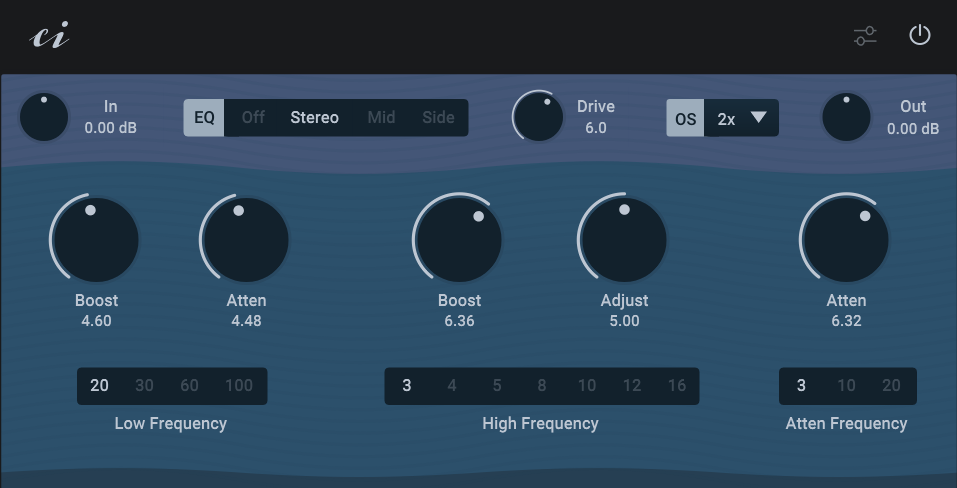
Pultec-style EQs generally share the same core principles as the original design but may come in different formats, with modern variations available as hardware units or software plugins. The defining features of the Pultec-style EQ are:
- Tube-driven circuitry: The use of tubes imparts a subtle harmonic distortion that adds warmth and fullness, particularly in the low end.
- Interactive low-frequency boost and cut: One of the most famous features of the Pultec EQ is its ability to boost and cut the low end at the same time, which creates a tight, punchy, and full bass without muddiness.
- Smooth high-frequency boost: The high-frequency boost provides air and clarity without becoming harsh or sibilant, making it a favorite for enhancing vocals and cymbals.
Key Features of the Pultec-Style EQ
1. Interactive Low-End Control
The Pultec’s ability to boost and cut low frequencies simultaneously is one of its standout features. This interaction between the boost and cut controls can be used to:
- Tighten the bass: When you boost the low-end frequencies and simultaneously cut slightly lower frequencies, you get a fuller, tighter low end without introducing mud.
- Add warmth: The tube design imparts a natural warmth and richness to the bass, making it ideal for genres that need a defined but smooth low-end, such as rock, hip-hop, or jazz.
2. Smooth High-End Boost
The treble control on a Pultec EQ provides a silky-smooth boost for the high frequencies, often between 5kHz to 16kHz. This high-end boost is excellent for:
- Adding sparkle and air: This makes it a go-to tool for bringing out vocals, cymbals, and acoustic instruments in a mix, making them more present without becoming harsh or sibilant.
- Enhancing clarity: The Pultec’s high-frequency boost can help give clarity to instruments without overemphasizing any particular frequency, avoiding the “sharp” or “grating” sound that can come with other EQs.
3. Tube Saturation for Rich Harmonics
Another reason why Pultec-style tube EQs are beloved by audio engineers is the tube saturation they add. The harmonic distortion introduced by the tubes gives the sound a musical, warm quality that can enhance both individual tracks and the overall mix.
- Gentle harmonic distortion: Tube saturation adds a layer of richness and fullness to the sound, especially in the low end, helping to smooth out digital harshness and creating a more organic sound.
- Glueing elements together: This subtle coloration is often used to glue elements of a mix together, adding cohesiveness and character that is hard to replicate with digital EQs.
Why Use a Pultec-Style Tube EQ in Mixing and Mastering?
1. Mastering: Smooth Tonal Shaping
In mastering, the goal is to bring out the best in a track, ensuring it sounds polished, balanced, and cohesive across all playback systems. A Pultec-style EQ can be a secret weapon for adding that final touch.
-
Low-end definition: If a track is lacking in bass definition, you can use the Pultec to enhance the low end without making it boomy or overwhelming. The interactive low-end boost and cut makes it ideal for enhancing the bottom end while maintaining clarity.
-
High-end clarity: The smooth high-frequency boost is perfect for adding clarity and air to a track. Whether it’s for enhancing vocals or giving cymbals more presence, the Pultec-style EQ can add a bit of sparkle without making the high end harsh or brittle.
-
Glueing the track together: Thanks to its tube saturation, the Pultec can help to give your track a cohesive, analog warmth, making the mix sound more unified and polished.
2. Mixing: Adding Character and Warmth
When used in the mixing stage, the Pultec-style tube EQ excels at bringing out specific elements and adding musical character to individual tracks.
-
Vocals: A Pultec-style EQ is perfect for enhancing vocals. You can use it to add air to the top end or warmth to the low end, especially on male or female vocals where presence and smoothness are key.
-
Drums: The low-end control is fantastic for adding punch and definition to kick drums or bass guitars. By boosting and cutting low frequencies at the same time, you can achieve a tight and controlled bass without sacrificing fullness.
-
Guitars and Acoustic Instruments: For acoustic guitars, electric guitars, or other stringed instruments, the high-frequency boost can add a sense of brightness and clarity without making them sound too sharp or harsh.
3. The Analog “Magic”
Perhaps the biggest reason engineers love the Pultec-style EQ is the “analog magic” it imparts. While digital EQs can be precise, they sometimes lack the warmth and musicality that analog equipment can bring. The tube-driven warmth, along with the subtle harmonic distortion, gives the track a natural vintage sound that feels alive and dynamic.
In the world of modern digital music production, many artists and engineers still reach for a Pultec-style tube EQ to inject that vintage warmth into their mixes, something that can be harder to achieve with purely digital tools.
How to Use a Pultec-Style Tube EQ
Here are a few tips for using a Pultec-style tube EQ effectively, whether you're mixing or mastering:
-
For Adding Warmth to the Low End:
-
Boost the low end around 60-100Hz.
- Simultaneously cut slightly lower frequencies (around 30-40Hz) to prevent muddiness.
-
This interactive process creates a tight, punchy, yet full bass without being overwhelming.
-
For Sparkle in the High End:
-
Boost the high frequencies around 10-16kHz to add air and clarity to the mix.
-
This is especially useful for vocals, cymbals, and acoustic instruments, giving them a polished, open sound.
-
For Tightening and Shaping the Sound:
-
The Pultec’s subtle tube saturation is great for warming up digital tracks or bringing life to recordings that feel too sterile.
- Use it gently on the overall mix during mastering to glue the elements together.
Conclusion: The Enduring Power of the Pultec-Style Tube EQ
Whether you're mixing or mastering, the Pultec-style tube EQ offers a unique combination of musicality, warmth, and precision that’s difficult to replicate with digital EQs. Its interactive low-end controls, smooth high-end boost, and tube saturation make it a versatile tool that adds a classic analog feel to modern productions. For many audio engineers, it’s more than just a tool — it’s a way to bring out the soul of the music.
If you're looking to inject richness into your mixes or add the final polish to your masters, a Pultec-style tube EQ might just be the secret ingredient you need.
Check out this awesome plugin https://www.consint.net/posts/pulteq/