Virtual Guitar Amplifier & Effects
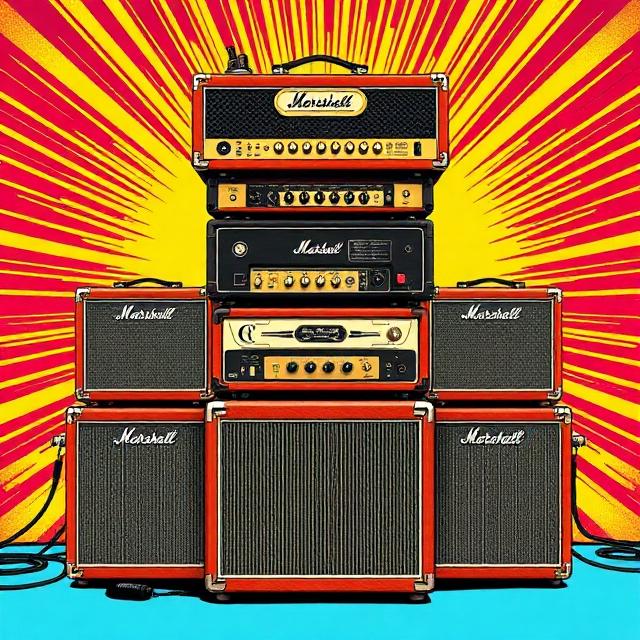
When you're chasing that perfect guitar tone, sometimes the journey leads you down unexpected paths. For me, it meant diving deep into the world of virtual guitar amplifiers and effects. I'm not talking about just any virtual amps; I was after a traditional British-style crunch and overdrive, the kind that makes your amp sing. In my search, I found some serious contenders, both for Windows and Linux, that have shaped my sound and pushed my creative boundaries.
Let me take you through some of the best virtual guitar amps and pedals I've used—and maybe save you some time on your own tonal quest.
Windows Only
Amplitube 5
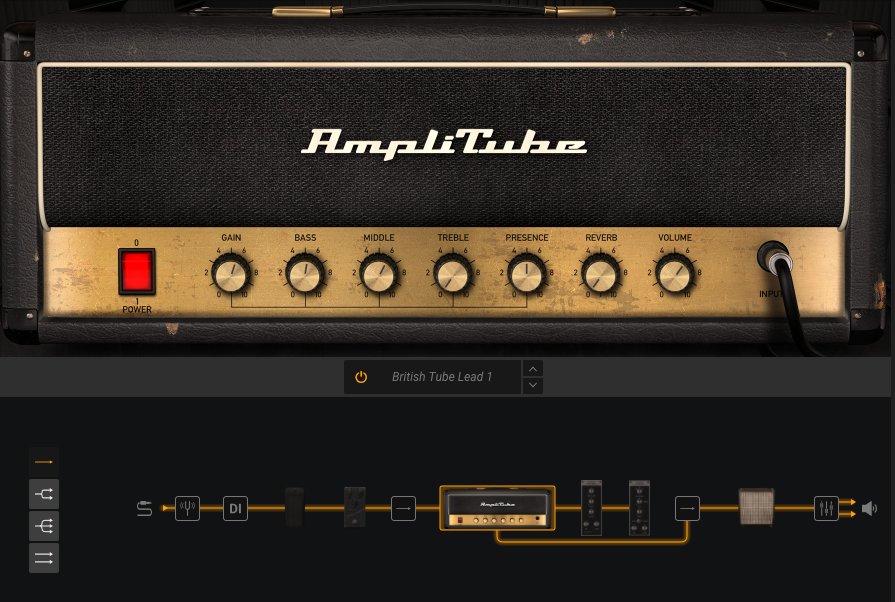
Amplitube 5 was the turning point for me. It’s the kind of plugin that defines the sound you’re looking for—at least, it did for me. I wanted that classic British crunch and a bit of overdrive, and Amplitube delivered in spades. Even the free presets sound top-notch, which is rare in the world of plugins.
The versatility of Amplitube 5 is outstanding. From vintage tones to more modern high-gain sounds, it has everything you need for studio recording or live performance.
Here’s a quick demo of its power:
https://www.ikmultimedia.com/products/amplitube5/
Bluecat Destructor
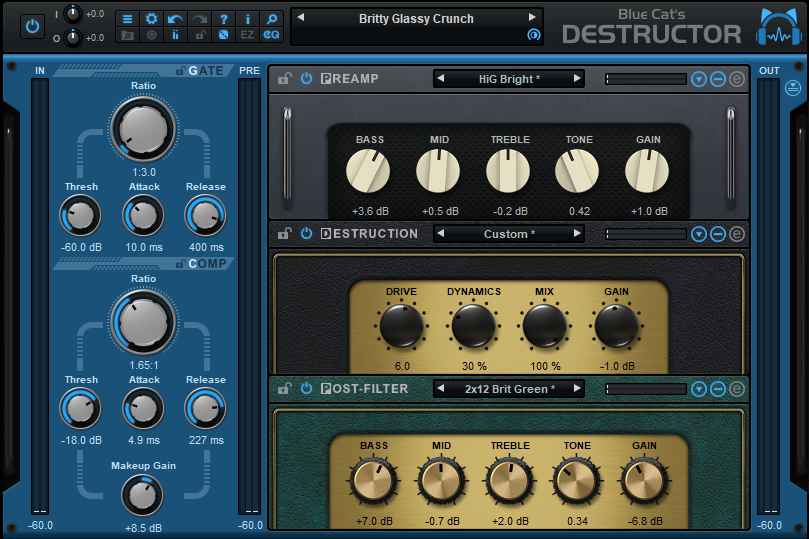
Next on the list is Bluecat's Destructor. Bluecat offers both free and premium plugins, and Destructor is their powerhouse for creating detailed, customizable tones. Whether you’re after a tight, punchy sound or a more glassy, ethereal crunch, this plugin can handle it all.
Here's a sample of what Destructor can do:
https://www.bluecataudio.com/Products/Category_Guitar/
Linux Compatable
For those of us rocking Linux, the quest for great virtual guitar amps used to be a bit more limited. Thankfully, things have come a long way, and now there are some fantastic options available.
BitWig Cruunchy Guitar Amp
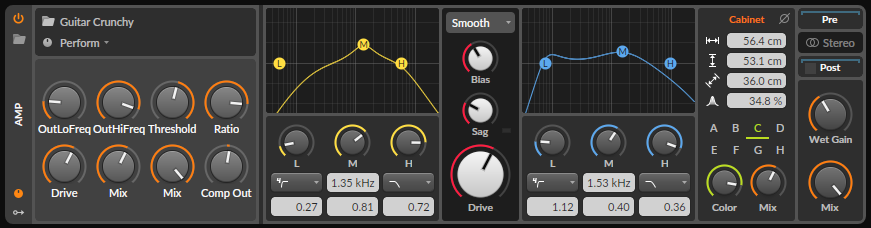
Bitwig is an innovative DAW, and while it’s not specifically designed for guitar, it does come with its own set of guitar amps that can still pack a punch. The range is limited, but when you’re in a pinch, the built-in amps can serve up a surprisingly decent tone.
Here's a quick demo of the "Crunchy Guitar Amp" in action:
Guitarix
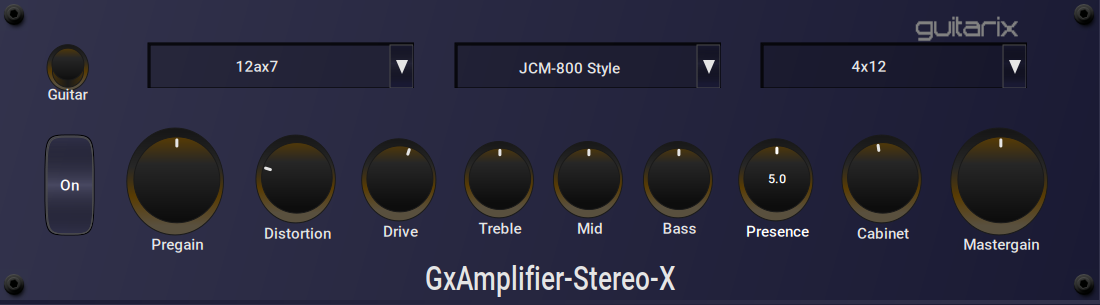
If you're a Linux user and haven’t checked out Guitarix, you’re missing out. This virtual amplifier has been a staple in the Linux audio community for years, offering a range of amps and effects for every style. It’s lightweight, reliable, and open-source, making it a favorite for anyone who’s serious about tone.
Here’s a demo from Guitarix:
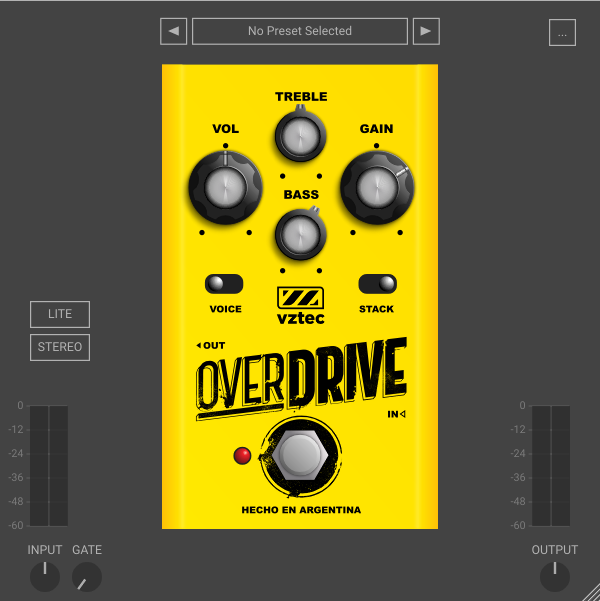
You can also add a boost pedal in front of Guitarix to enhance the tone, and it’s pretty impressive:
ToneLib GFX
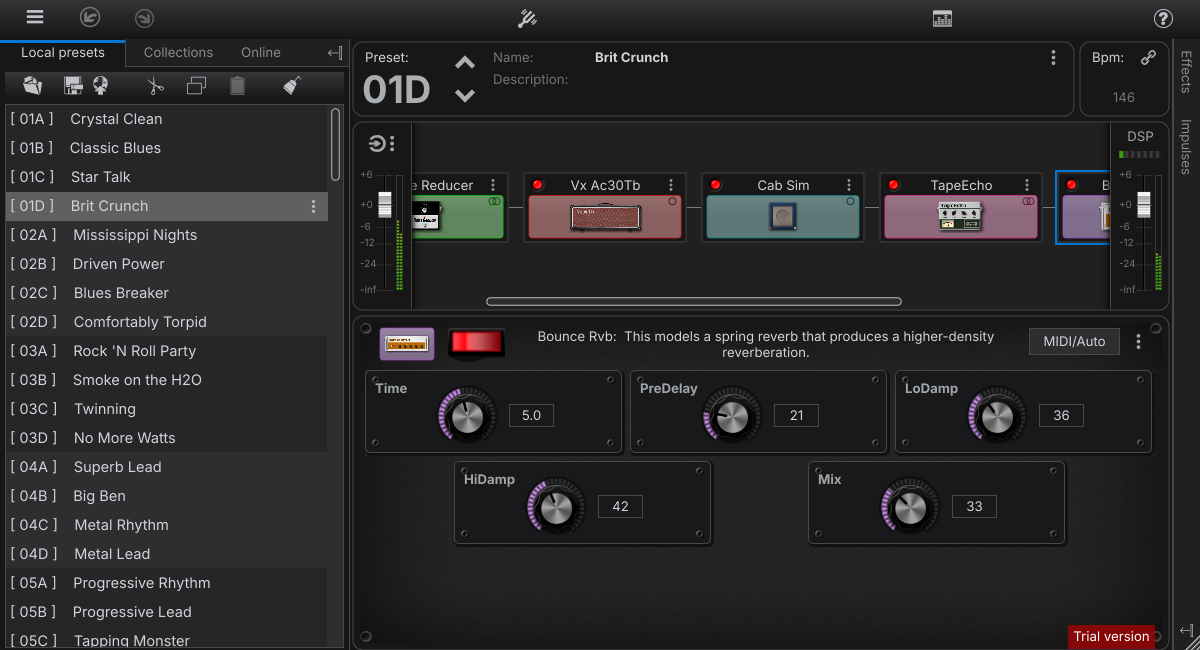
ToneLib GFX is a great option for Linux guitarists who want a more plug-and-play experience. It offers a range of amplifiers, pedals, and effects, all in an easy-to-use interface. The tones are quite versatile, and it’s a great choice for those who need something reliable and straightforward.
Here’s a sample of what ToneLib GFX sounds like:
https://tonelib.net/gfx-overview.html
Amp Locker
Amp Locker is an all-in-one amp simulation environment that brings together a range of digital amps, effects, cabinets, and pedals in a single workspace. It includes features such as adjustable microphone placement, simulated double tracking, MIDI support, and IR loading, allowing for detailed tone shaping either in a DAW or in standalone mode. Many users appreciate its efficient CPU usage and broad sound palette, particularly for rock and metal styles, with the included free components providing a strong entry point.
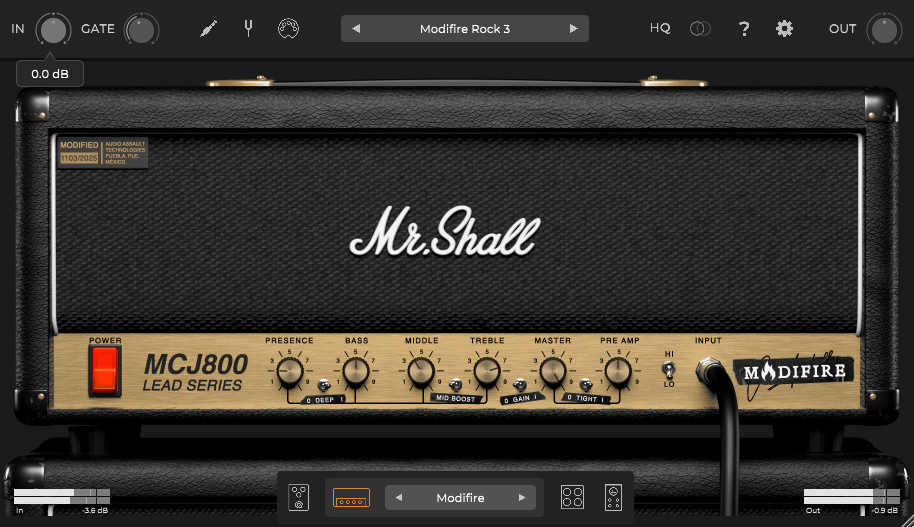
Modifire is one of the amp models designed for use within Amp Locker. It takes inspiration from a high-gain British-style circuit and adds built-in modification options that allow players to increase saturation, tighten the low end, enhance midrange presence, and push the amp into more aggressive territory.
Pros:
- Significantly cheaper than many competing amp simulators, with individual modules priced affordably
- Lightweight and modular platform that can be expanded with additional amps, pedals, and cabinets
- Well suited for modern rock and metal tones, offering solid control over gain structure and cab/IR settings
Cons:
- Lacks some of the realism and dynamic response found in higher-end amp modeling plugins
- Clean sounds and nuanced playing dynamics are not its strongest area
- Modifire requires the Amp Locker host to function
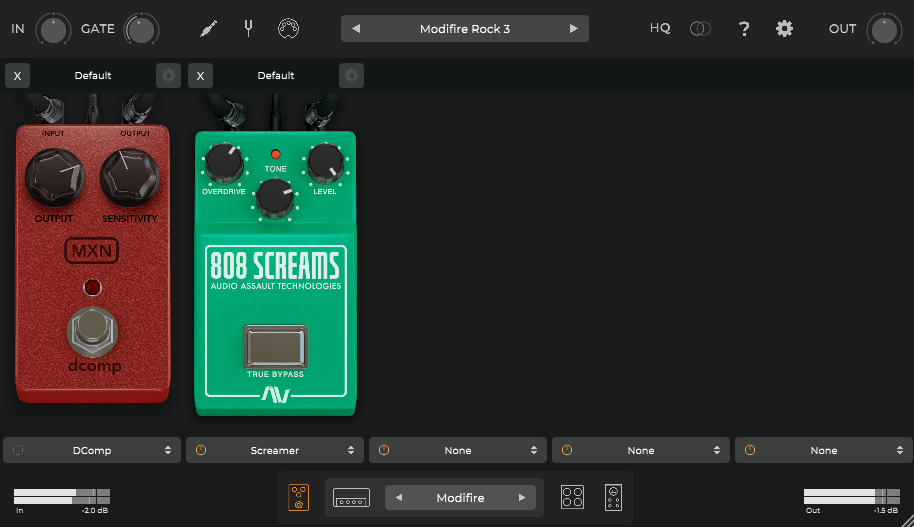
Amp Locker paired with Modifire offers a cost-effective and flexible solution for guitarists working in heavier genres or home studio environments. While it doesn’t reach the refinement of premium amp sims, its affordability and tonal versatility make it an attractive option for aggressive guitar tones on a budget.
Amp Only:
With Overdrive Pedal:
Conclusion
After experimenting with a variety of virtual guitar amplifiers, I've learned a lot about shaping my tone—both for the studio and live performances. But here’s the thing: I’ve come to the conclusion that I’ll be moving back to external hardware in the near future. While virtual amps are a great tool, they still don’t quite capture the warmth and authenticity of a real amp stack with microphones.
That said, "amp-in-a-box" pedals have proven to be a fantastic middle ground. They offer the benefits of amp-like tones without the size, cost, and hassle of a full-stack setup. With these pedals, you can get the same sound for both live performance (via DI) and studio recording, all while keeping CPU usage low and eliminating latency during monitoring.
The quality is often better, and most importantly, it’s more authentic. So if you’re looking for that classic tone, you might just want to give these virtual amps a try—but keep in mind that the future of tone could very well be a mix of digital and analog.